Tell us what you need to pack — product, dose, sachet size and target output.

Sachet machinery knowledge centre

Sachet filling machine guides for buyers

Use these practical guides to define your product, pack and output, compare quotations on the same basis and reduce surprises during trials and commissioning.

Plan the project

From first product sample to production acceptance

The guides cover dosing, film, pouch architecture, output, price drivers, quotation scope and acceptance testing.

How to Choose the Right Sachet Filling Machine Buyer guide

How to Choose a Sachet Filling Machine

A reliable sachet line starts with a complete application definition. Machine selection should follow the product and finished pack, not the other way around. Use this guide to turn your initial requirement into a clear engineering specification.

Read the guide
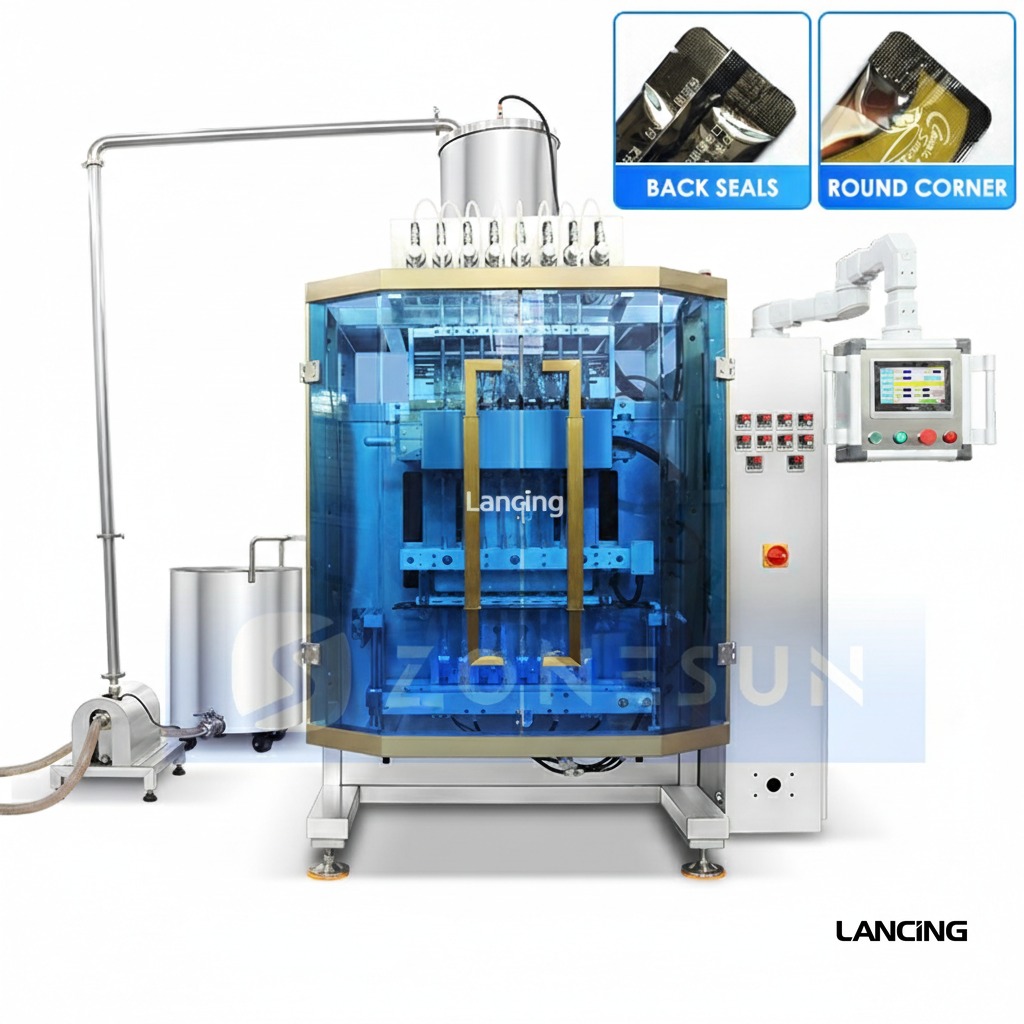
What Determines the Price of a Sachet Filling Machine? Buyer guide

Sachet Filling Machine Prices and Cost Factors

There is no single useful list price for sachet machinery because the dosing system, pack format and compliance scope can change the engineering substantially. A credible budget separates the base machine from tooling, options, integration and operating cost.

Read the guide
VFFS vs Premade Pouch Machines: Which Format Fits Your Project? Buyer guide

VFFS vs Premade Pouch Machines

Vertical form fill and seal machinery makes each sachet from roll stock. A premade pouch machine receives an already converted pouch, opens it, fills it and closes it. Both routes can automate small flexible packs, but their economics, format possibilities and operating demands are different.

Read the guide
Sachet Film and Seal Guide for Reliable Filling Production Buyer guide

Sachet Film and Heat-Seal Guide

A sachet machine can only make a reliable pack when the film structure, forming geometry, product and sealing process are compatible. Film should therefore be treated as an engineered component of the line, not as a generic consumable.

Read the guide
Sachet Filling Machine Quotation Checklist Buyer guide

Sachet Machine Quotation Checklist

A useful quotation is a technical response to a defined requirement. Send every supplier the same application data and ask them to state assumptions, exclusions and acceptance criteria. The checklist below can be copied into an RFQ or user requirement specification.

Read the guide
1

Define

Describe the product, dose, finished sachet, film and production requirement in measurable terms.

2

Compare

Review machine architecture, included scope, assumptions, lifetime cost and support on a like-for-like basis.

3

Prove

Agree representative trials and acceptance criteria before the machinery is released for production.

Common questions

Guide questions

Which guide should I read first?

Start with the machine selection guide, then use the quotation checklist to prepare product, pack and performance data.

Do the guides replace product trials?

No. They help define the project, but representative product and packaging trials are needed to confirm dosing, sealing and output.

Can Lancing Ltd review an existing specification?

Yes. Send the product, dose, sachet, film and target output with any current drawings or quotations for review.

Tell us about your product and pack

Turn your application data into a machine specification

Send the product, target dose, sachet drawing, film information and required accepted output. Lancing Ltd will review the application and recommend the next engineering step.

Use the guides as one specification sequence

Move from machine selection to a testable acceptance plan

The strongest quotation starts with the product and finished pack, then fixes the machinery route, film, commercial scope and evidence. Use the sequence below to avoid asking suppliers to price different assumptions.

1

Select the machine route

Translate product behaviour, dose, sachet size, output and hygiene into a suitable dosing and forming process.

3

Issue one comparable RFQ

Give each supplier the same product, format matrix, utilities, line scope, documentation and acceptance requirements.

5

Plan trials and acceptance

Agree representative inputs, dose checks, seal and leak tests, registered film, run evidence, retained samples and accepted output.

6

Confirm the pack route

Check whether roll-stock sachets, narrow stick packs or converted premade pouches best fit the product and commercial pack.

Define the project around your product and pack

Send your draft specification for a machine-route review

Share the product, dose, finished sachet, film, output, utilities and line scope you have defined. Lancing Ltd can identify missing inputs and narrow the machine route before a detailed quotation is prepared.

Expanded technical library

From initial machine choice to accepted production

These guides convert product, film, line and quality requirements into controlled information for quotation, trials, installation and routine operation.

Single lane vs multi-lane

Compare accepted output, lane sampling, changeovers, resilience and installed scope under common conditions.

Dosing systems

Screen pumps, pistons, augers and weighing against product behaviour and production feed.

Troubleshooting

Isolate dose, seal, film, code, cut and lane faults using controlled evidence.

Question-led resources

Start with the exact production question you need to resolve

Open the dedicated question library for direct answers on machine operation, product behaviour, accepted output, seal contamination and downstream packing. Each page links back to the relevant machinery and planning guide.

Additional engineering resources

Resolve pack format, UK machinery safety and powder-dust questions

Powder dust and DSEAR

Assess material evidence, dust release, containment, cleaning and competent risk assessment.

Call 01494 623015 Get my machine recommendation