Tell us what you need to pack — product, dose, sachet size and target output.

Application engineering

Sachet filling machinery by product sector

Explore the dosing, film, hygiene, safety and quality-control decisions for food, cosmetics, nutraceuticals, detergents and compatible chemical products.

Sachet Filling Machines for Sauces, Condiments and Food Portions Application

Food and Sauce Sachet Filling Machines

Single-serve food sachets need accurate dosing, clean seals and materials selected for the product, fill temperature and intended shelf life. The machinery route differs for sauces, powders and free-flowing portions, even when the finished pack looks similar.

View application guidance
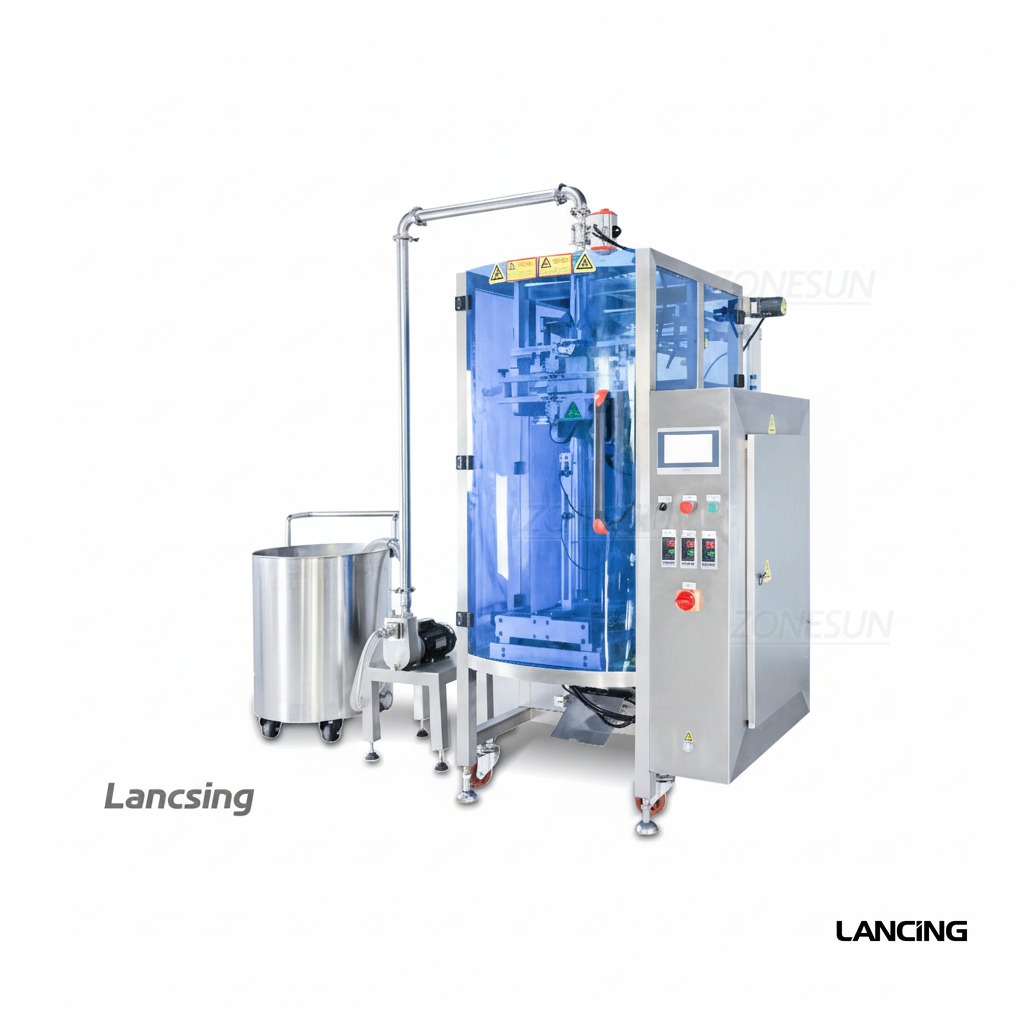
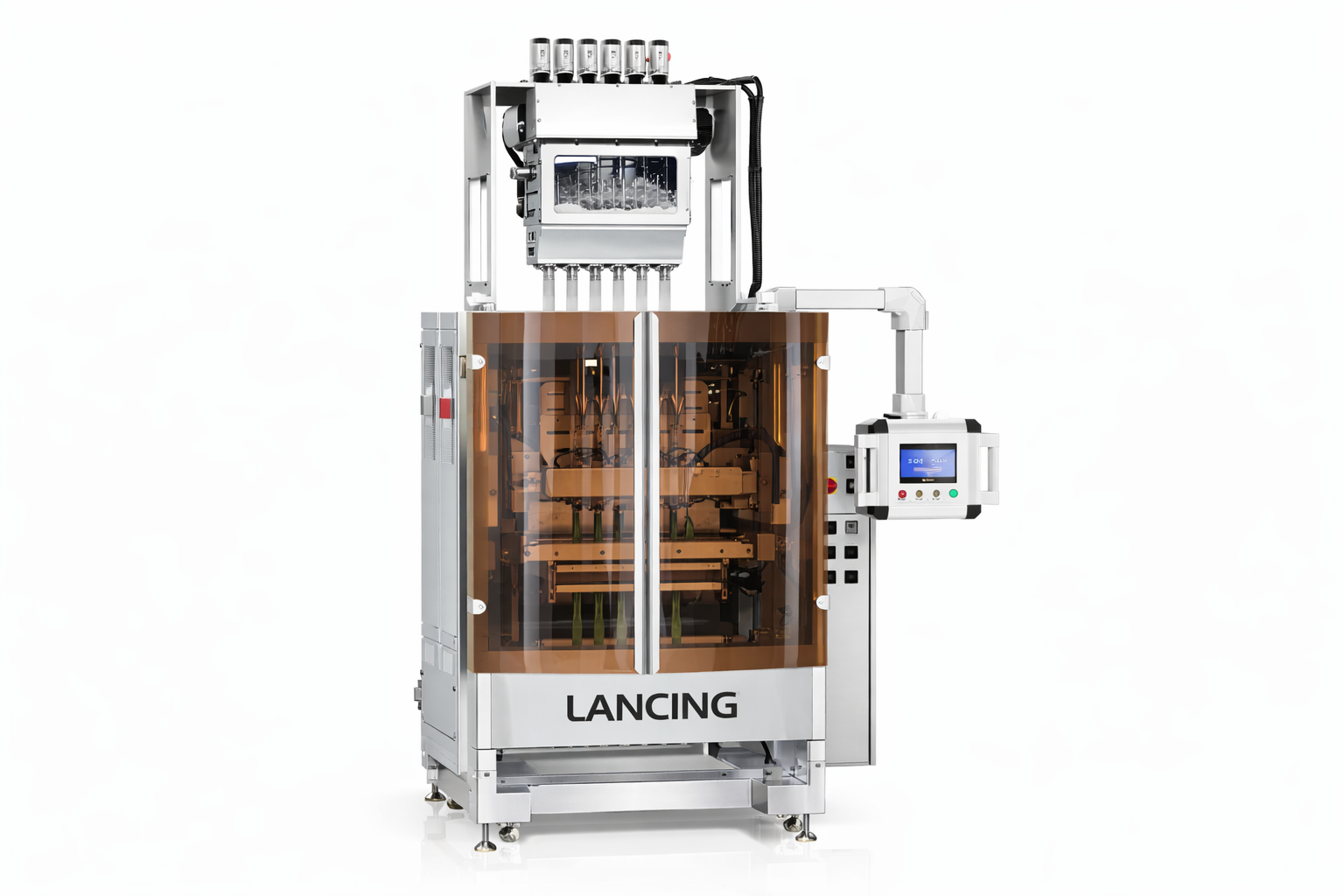
Cosmetic and Personal-Care Sample Sachet Filling Machines Application

Cosmetic Sample Sachet Machines

Cosmetic sample sachets combine tight dose expectations with strong presentation requirements. Viscosity, fragrance, foaming, product sensitivity and film appearance all need to be translated into a machine and validation specification.

View application guidance
Pharmaceutical and Nutraceutical Sachet Machinery Application

Nutraceutical Sachet Filling Machines

Nutraceutical and regulated-product sachet lines should be specified against the manufacturer’s quality system, contamination controls and validation plan. The packaging machine is one element in a controlled process that also includes material handling, coding, inspection and batch records.

View application guidance
Sachet Filling Machines for Detergents and Compatible Chemicals Application

Detergent and Chemical Sachet Machines

Chemical sachet projects begin with a full product safety and compatibility review. The formulation, hazard classification, vapour, dust, temperature and cleaning method influence materials, enclosure, extraction, electrics and the decision whether automated flexible packaging is appropriate.

View application guidance

Start with the product

One pack shape can require very different machinery

A 10 ml sauce sachet, a 10 g powder sachet and a 10 g granule sachet may look similar on shelf, but their dosing systems, contamination risks and cleaning procedures differ. A complete application review avoids choosing the bagger before the filler.

Plan the complete process

Upstream and downstream equipment matters

Product transfer, hopper replenishment, coding, checkweighing, metal detection, counting and cartoning can determine whether the line reaches its required output. Include these interfaces in the first layout.

Common questions

Application planning questions

Can the same sachet format be used in every industry?

No. Barrier, seal, contact materials, cleaning and quality controls are determined by the product and regulatory context.

Does Lancing supply complete lines?

Projects can include dosing, sachet packing, coding, inspection, conveying and integration, with scope agreed for the application.

Are product trials available?

Representative product and packaging trials are recommended where flow, viscosity, dust, particles or seal contamination may affect performance.

Tell us about your product and pack

Get my machine recommendation for your application

Send the product, target dose, sachet dimensions, film and required output. Lancing Ltd will review your application and recommend a practical machinery route before a detailed quotation.

Application selector

Use product behaviour and production controls to choose the relevant application route

Industry labels alone do not define a machine. A food sauce and a cosmetic gel can share similar viscosity, while their hygiene, compatibility, batch coding and cleaning expectations differ. Start with the product, then add the controls required by the manufacturing environment.

Food and saucesDeclare viscosity, particles, fill temperature, allergens, cleaning, food-contact expectations, seal contamination risks and shelf-life pack requirements. Open food and sauce guidance.
Cosmetics and samplesDeclare viscosity range, air, stringing, fragrance or colour change, appearance, compatibility and small-dose pack presentation. Open cosmetic sample guidance.
Nutraceutical and pharmaceutical-adjacentDefine powder or liquid handling, cross-contamination controls, batch records, coding, documentation and the manufacturer’s own validation requirements. Open nutraceutical guidance.
Detergent and compatible chemicalsProvide safety and compatibility information, product temperature, vapour or dust considerations, containment, material selection and disposal or cleaning requirements. Open detergent and chemical guidance.
The product owner remains responsible for defining regulatory, safety, validation and pack-performance requirements. Machinery should be specified against those documented needs rather than assumed suitable from an industry label.

Define the project around your product and pack

Send the application controls that must be built into the project

Provide the product, dose, sachet, film and output together with cleaning, compatibility, coding, inspection, documentation and site requirements. Lancing Ltd can then assess the practical machine and support scope.

Flexible production for changing customer work

Sachet machinery for contract packers

Contract-packing projects need a declared product-and-format matrix, realistic campaign lengths, controlled changeovers and customer evidence. A line that performs one ideal sample is not automatically flexible across a commercial portfolio.

Separate confirmed work from possible future enquiries. For every credible product, record dose, pack dimensions, film, code, cleaning boundary, campaign profile and accepted-output method. That evidence lets Lancing compare single-lane, multi-lane and separate-line strategies without promising unlimited flexibility.

Portfolio information that changes the answer

  • Products, hazards, allergens and segregation boundaries
  • Doses, sachet sizes, films, codes and customer artwork controls
  • Campaign lengths, cleaning and format-change frequency
  • Required records, retained samples and release checks
  • Upstream preparation and downstream collation or cartoning
  • Redundancy, labour, maintenance and service expectations

Verified liquid application

Drinking-water sachet packing projects

Separate potable-water production from the packaging-machine scope, then define fill volumes, PE film, finished dimensions, coding, quantity and seal checks, drainage and collection.

The new application guide connects those project inputs to the verified Lancing LU-GJH1000 50–500 ml roll-fed machine.

Start with these six inputs

  • Water source and inlet conditions
  • Every fill volume and tolerance
  • Finished sachet drawing
  • Production-intent PE film
  • Quantity, seal and leak-test methods
  • Collection and secondary packing
Call 01494 623015 Get my machine recommendation